Hallways are often treated as leftover space. A place you pass through rather than a space you inhabit. Yet in reality, they play a far greater role in how a home feels, functions and flows, especially in London homes where every square metre matters.
The hallway is the first interior experience you have when you walk through the door. It sets expectations, establishes mood and quietly shapes how the rest of the home is perceived. When designed thoughtfully, it brings order, calm and cohesion to everyday life. When overlooked, it can feel dark, cluttered or disconnected from the rooms beyond.

The Hallway as First Impression
Your hallway is the opening chapter of your home. Before a living room, kitchen or bedroom is seen, the entrance space signals what’s to come.
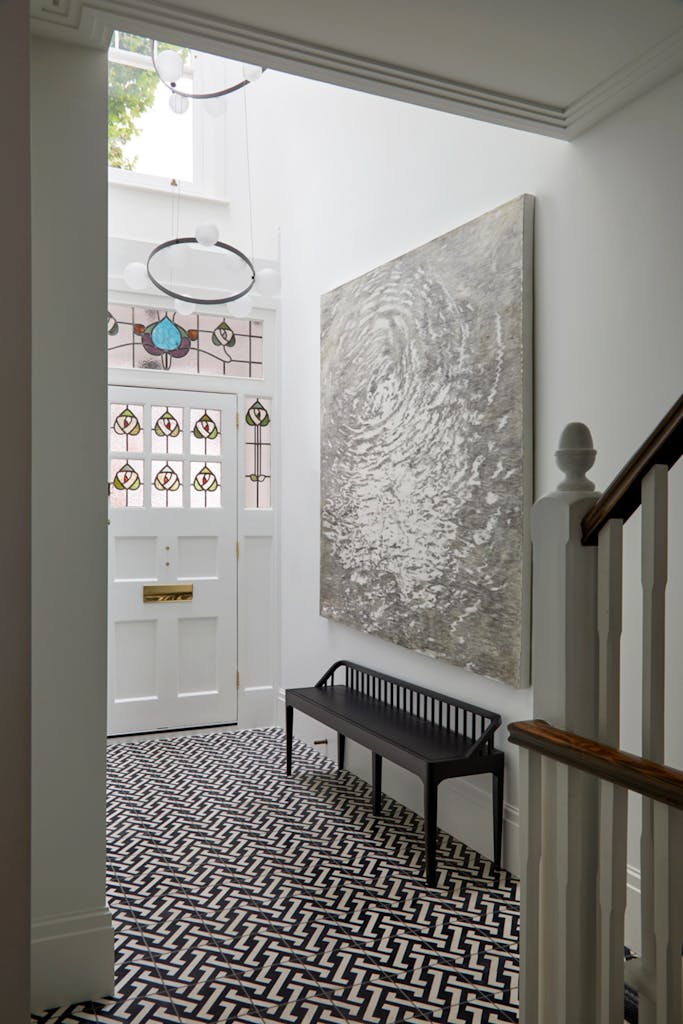
Proportion, light, materials and sightlines all contribute to this moment. A well-designed hallway feels welcoming and intuitive. It gently guides you forward rather than stopping you in your tracks. In period homes, this often means enhancing original architectural features while subtly modernising how the space is used. In contemporary homes, it’s about softness, warmth and avoiding overly clinical finishes.
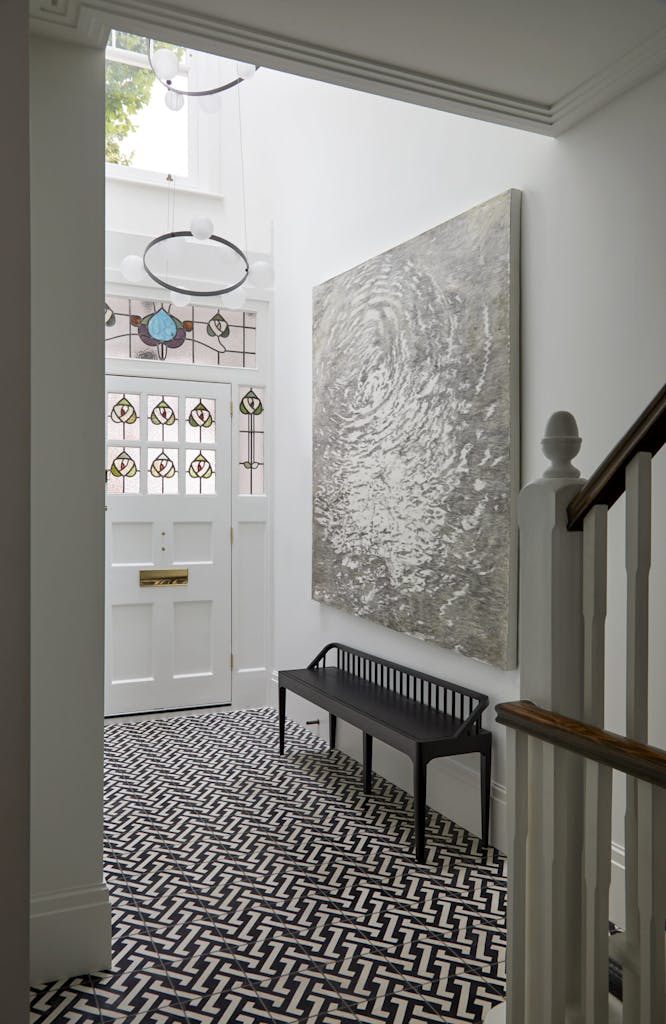
Flow, Movement and Everyday Use
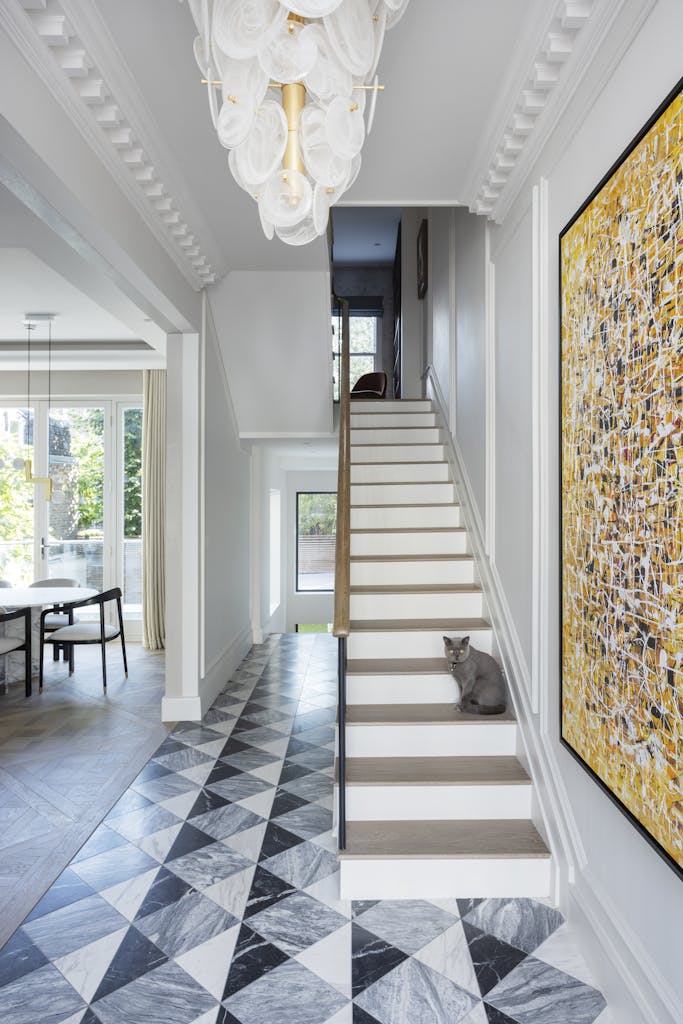
In family homes, hallways need to accommodate constant movement, school bags, guests arriving, coats being dropped and pets weaving through. In apartments or townhouses, hallways often double as transitions between public and private spaces.
Good hallway design considers how people move naturally through a home. Clear routes, generous thresholds and thoughtful transitions between rooms help spaces feel connected without being open-plan everywhere. This sense of flow is especially important in London properties, where layouts can be layered across multiple floors.
Storage Without Visual Clutter
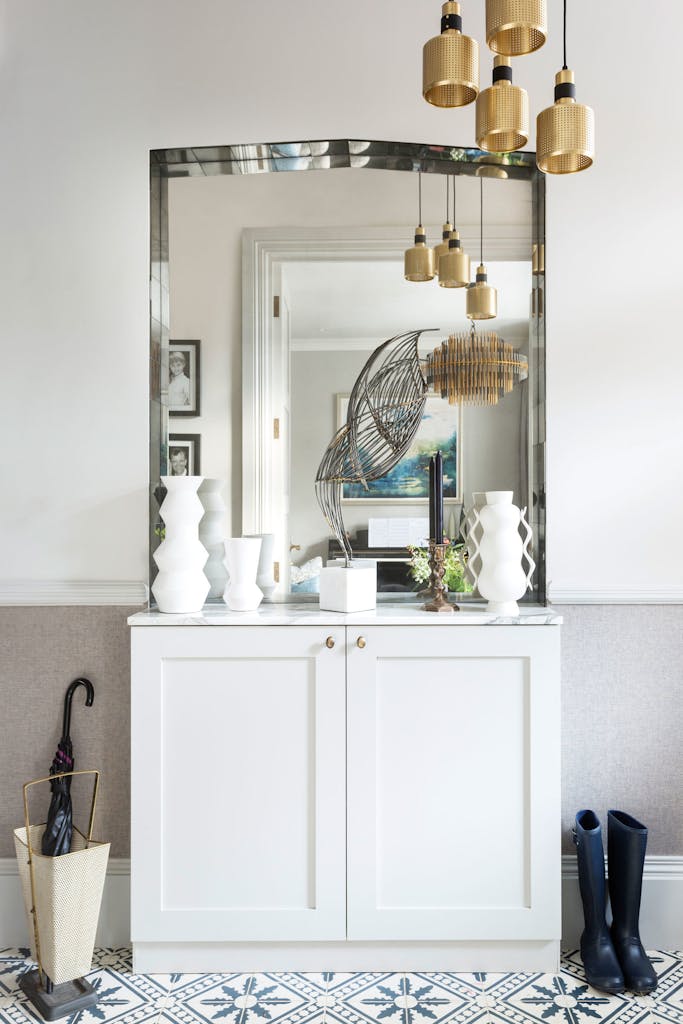
One of the most common hallway challenges is storage. Coats, shoes, bags and umbrellas all need a place to live, but poorly planned storage can quickly overwhelm an entrance space.
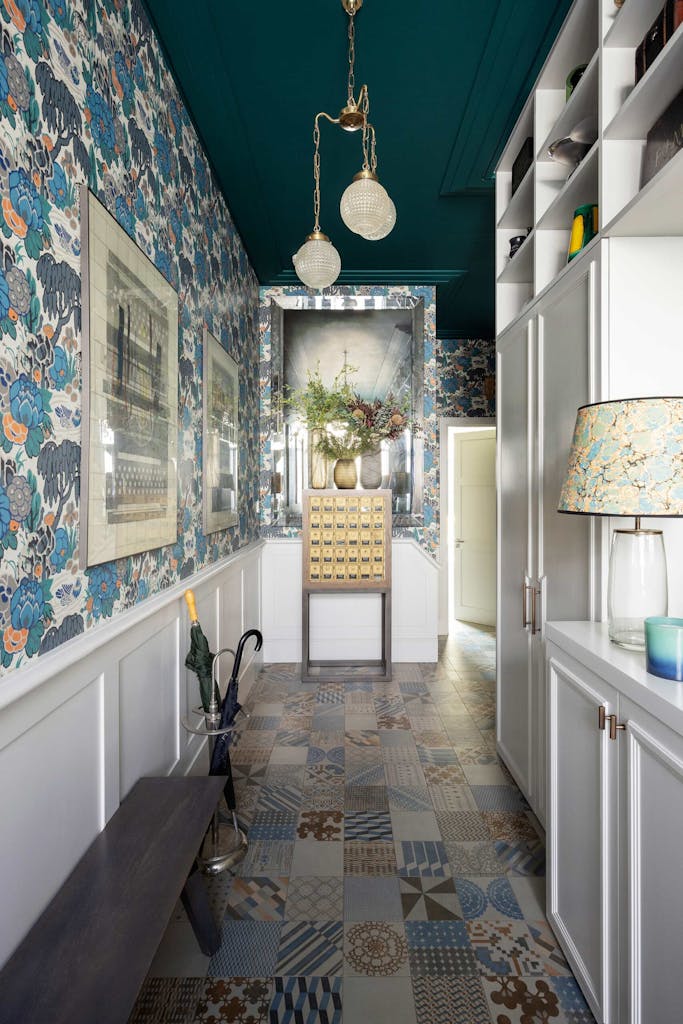
Integrated joinery is often the most effective solution. Thoughtfully designed cupboards, concealed coat storage and bench seating can provide generous capacity while maintaining a calm visual rhythm. This is where bespoke craftsmanship makes a real difference.
Working with our sister company HUX London, we design hallway storage that blends seamlessly with the architecture of the home. Rather than feeling like furniture added later, joinery becomes part of the structure, enhancing both function and character.

Lighting That Transforms the Space
Lighting is one of the most powerful tools in hallway design.
Many hallways suffer from harsh downlights or insufficient illumination, creating spaces that feel flat or unwelcoming. A layered approach works best. Wall lights add warmth at eye level, pendants introduce a focal point, and subtle accent lighting can highlight textures or architectural details.
In narrower or darker hallways, lighting should soften rather than dominate. The aim is to create a gentle sense of arrival, day or night, without glare.
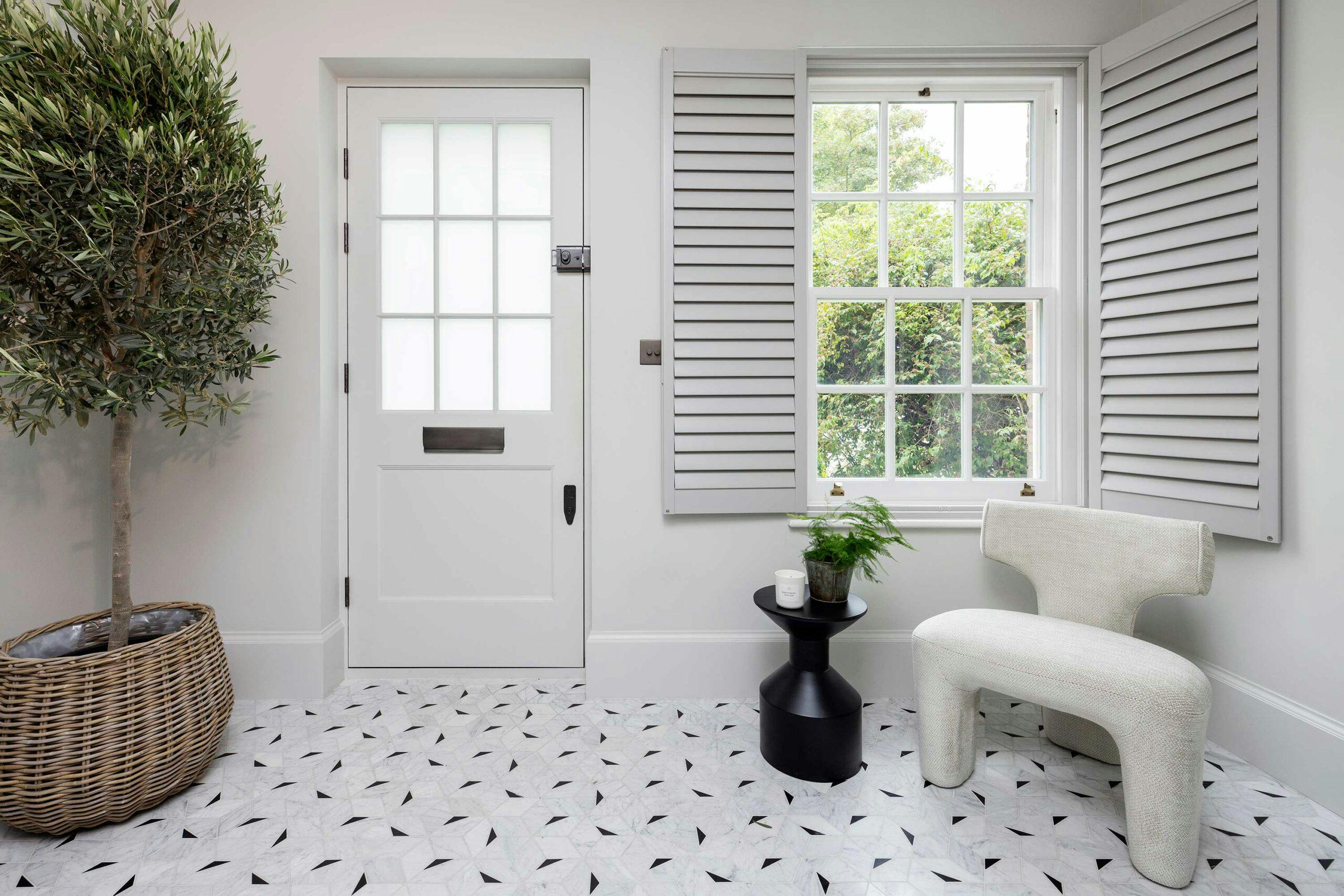

Making Narrow or Dark Hallways Feel Generous
Narrow hallways are common in London homes, particularly in Victorian and Edwardian properties. With careful design, they can feel far more generous than their dimensions suggest.
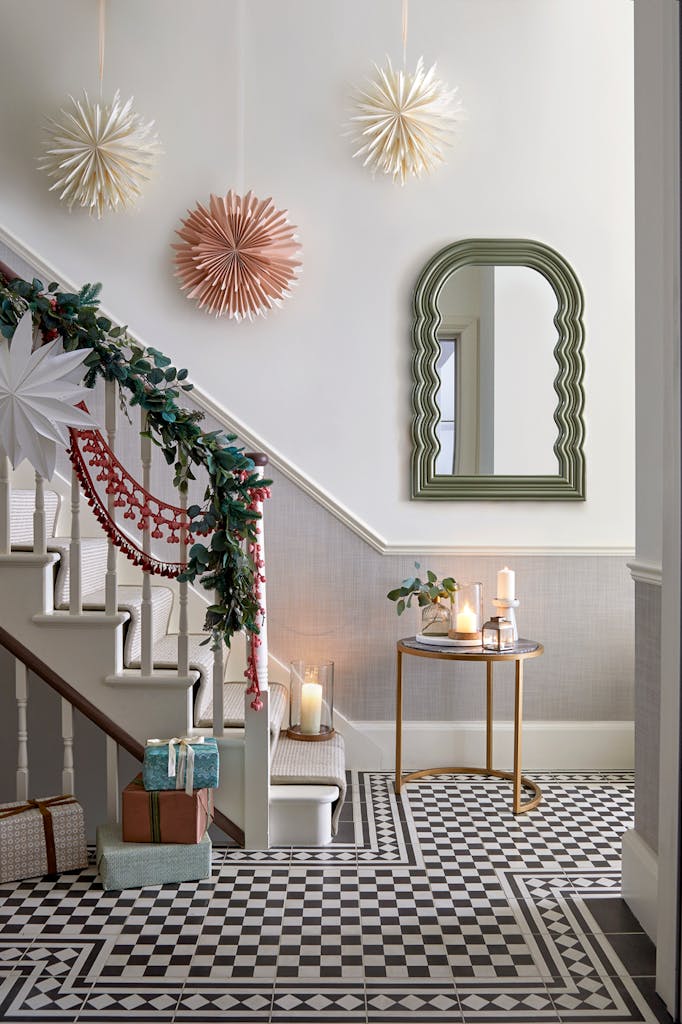
Mirrors help bounce light and extend sightlines. Lighter wall colours paired with textured finishes add depth without feeling cold. Borrowed light from adjacent rooms, through glazing or internal windows, can dramatically change how a hallway feels.
Rather than fighting the proportions, successful hallway design works with them, enhancing rhythm, balance and clarity.
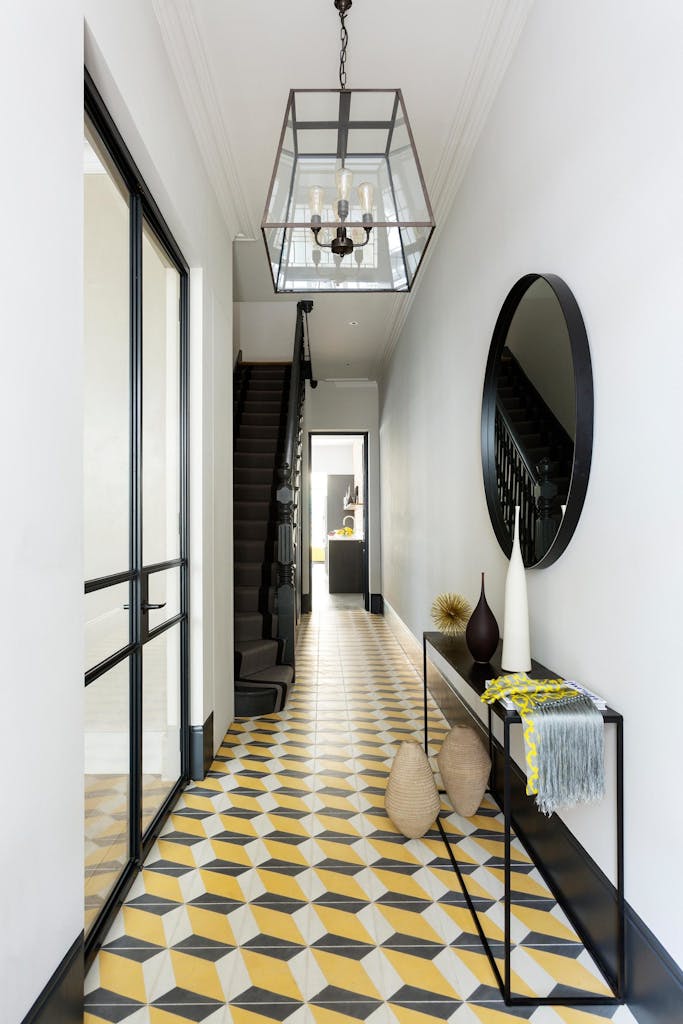
Designing Hallways With Architecture in Mind
Every home has its own architectural language, and hallways should respect it.
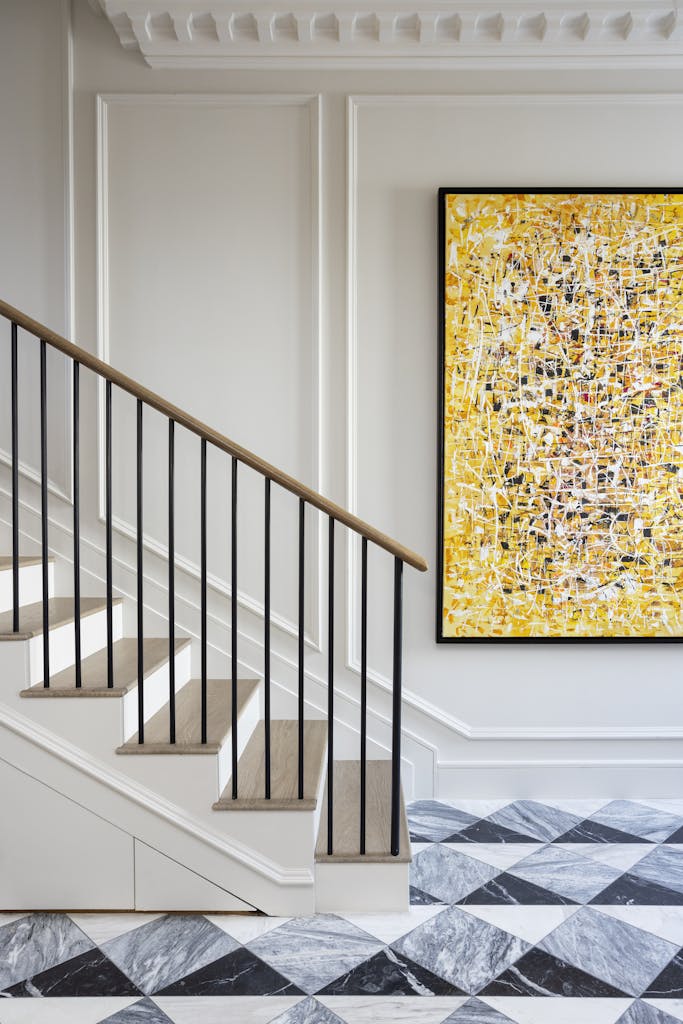
In period properties, panelling, cornicing and original proportions provide a strong framework. Contemporary interventions should feel considered rather than decorative. In modern homes, restraint and material quality take precedence, allowing the space to breathe.
The most successful hallways feel timeless because they respond to the building itself, not passing trends.

Common Hallway Design Mistakes
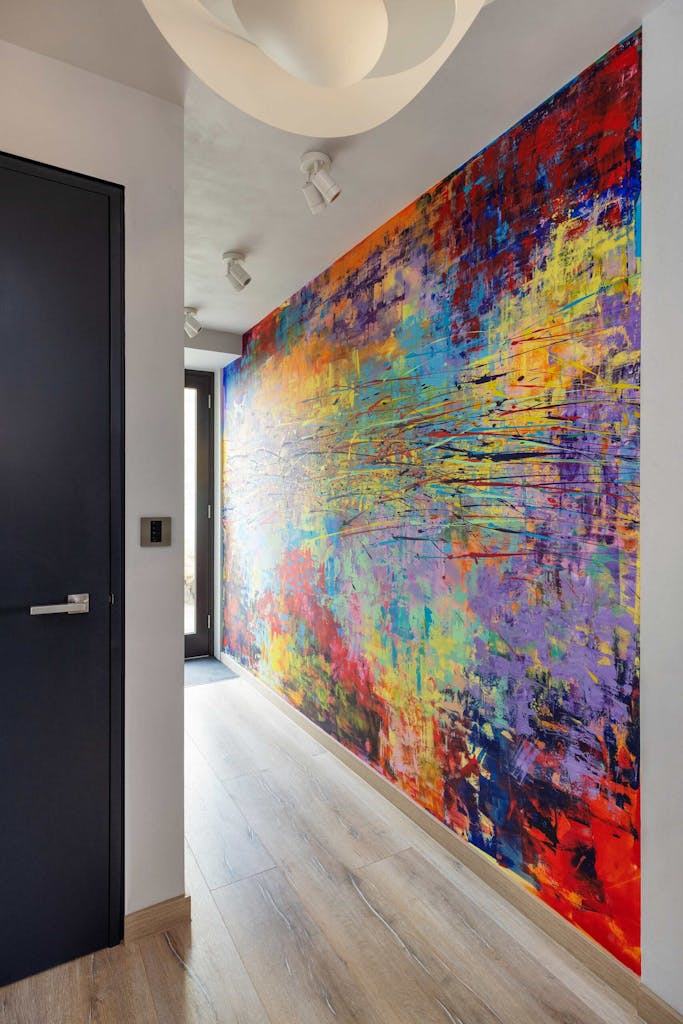
Some of the most frequent issues we see include over-lighting, insufficient storage, too many finishes and a lack of connection to the rest of the home. Treating the hallway as a standalone space rather than part of a wider scheme often leads to disjointed results.
A hallway should feel like the natural beginning of the design story, not a separate chapter.
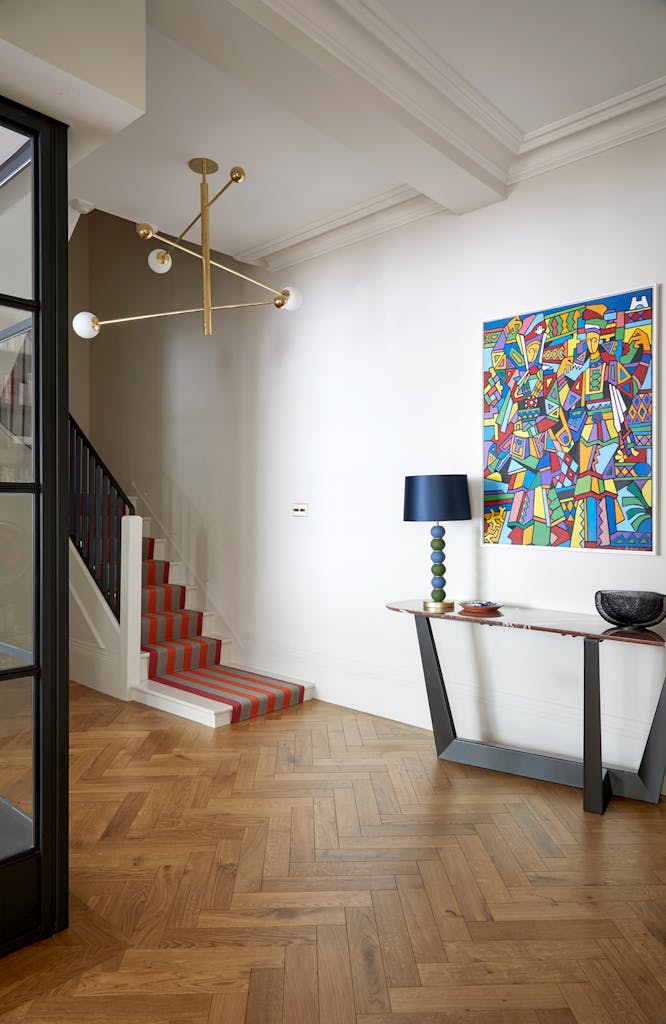
Why Hallways Deserve More Attention
Hallways quietly shape how a home works every single day. They influence first impressions, daily routines and the sense of calm within a space.
When designed with care, they bring clarity, order and cohesion to the entire home. When ignored, they undermine even the most beautifully designed rooms beyond.
Thoughtful hallway design is not about decoration. It’s about improving how a home feels to live in.
Explore our residential projects for hallway inspiration, or get in touch to discuss how we approach whole-home design and renovation.